
No products in the cart.
-
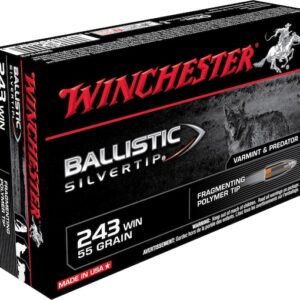
Winchester Ballistic Silvertip Varmint Ammunition 243 Winchester 55 Grain Fragmenting Polymer Tip Box of 20
The solid base boat tail design and special jacket contours of Winchester Supreme Ballistic Silvertip ammunition deliver excellent long-range accuracy with reduced cross-wind drift. The Lubalox coated Ballistic Silvertip bullet is designed to deliver rapid expansion and fragmentation in varmint-size game calibers and controlled expansion and penetration over long ranges in deer-size game calibers. This ammunition is new production, non-corrosive, in boxer primed, reloadable nickel plated brass cases.
CAD $66.64 -
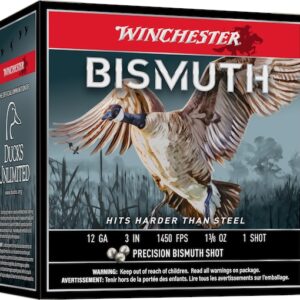
Winchester Bismuth Ammunition 12 Gauge 3″ 1-3/8 oz #1 Non-Toxic Shot
Winchester Bismuth Ammunition shatters performance expectations with a premium, uniform shot, which is tin-plated to produce the smoothest, roundest bismuth shot in the industry. To ensure the shot stays uniform and round, Winchester adds a buffering compound that fills voids within the shotshell and cushions the shot upon ignition.
At 40 yards, Winchester Bismuth puts an impressive 90% of the pattern on the target while the two closest competitors demonstrate 66% and 54%. Hunters can also use any choke with Winchester Bismuth for optimum pattern performance. Another important component of Winchester Bismuth is the Winchester Drylok® Wad System and primer system for those days that are not bluebird but when the birds are flying all the same. The proprietary Drylok Wad System keeps powder dry for consistent and dependable ignition despite damp waterfowl conditions.
Bismuth shot has gained popularity among die-hard waterfowlers because it is denser than steel, allowing for smaller shot sizes to be used and more pellets within a pattern. It is also less likely to damage older shotguns and performs better than steel through a variety of chokes.
Features
- Premium Bismuth Shot; tin plated, smoothest and roundest in the industry
- Buffered payload puts more pellets on target for 60-yard performance
- Water Resistant- Lacquered primer and double seal wad keep out water
CAD $801.04 -
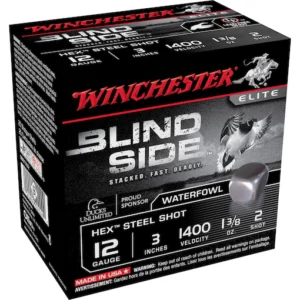
Winchester Blind Side Ammunition 12 Gauge Non-Toxic Steel Shot
As a waterfowl hunter you demand accuracy, consistency, dense patterns and speed in your ammunition. Without all of these features, you leave the blind without your limit. Winchester Blind Side waterfowl shotgun ammunition offers all of these along with innovative features and benefits.
The components used to develop this ammunition is extremely unique. First, it’s loaded with non-toxic steel pellets that are 6 flat-sided or Hexahedron, as opposed to round pellets used in traditional loads. What’s the advantage of this? Well, the flat sides allow the shot to stack more efficiently in the hull leaving room for additional gun powder. Next is Winchester’s diamond cut wad system. This design of this wad features three (3) petals that keep the pellets in a dense pattern for increased performance.
CAD $478.72 -
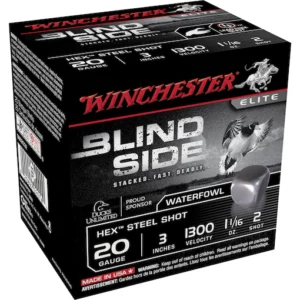
Winchester Blind Side Ammunition 20 Gauge 3″ 1-1/16 oz Non-Toxic Steel Shot
As a waterfowl hunter you demand accuracy, consistency, dense patterns and speed in your ammunition. Without all of these features, you leave the blind without your limit. Winchester Blind Side waterfowl shotgun ammunition offers all of these along with innovative features and benefits.
The components used to develop this ammunition is extremely unique. First, it’s loaded with non-toxic steel pellets that are 6 flat-sided or Hexahedron, as opposed to round pellets used in traditional loads. What’s the advantage of this? Well, the flat sides allow the shot to stack more efficiently in the hull leaving room for additional gun powder. Next is Winchester’s diamond cut wad system. This design of this wad features three (3) petals that keep the pellets in a dense pattern for increased performance.
CAD $425.68 -
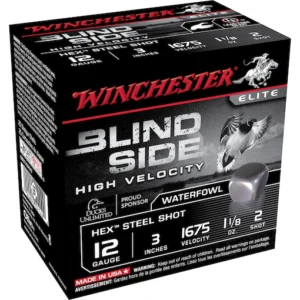
Winchester Blind Side High Velocity Ammunition 12 Gauge Non-Toxic Steel Shot
Winchester Blind Side High Velocity waterfowl ammunition takes the innovative, popular Hex shot loaded in traditional Blind Side loads to even faster speeds.
The components used to develop this ammunition are extremely unique. First, it’s loaded with non-toxic steel pellets that are 6 sided or Hexahedron, as opposed to round pellets used in traditional loads. What’s the advantage of this? Well, the flat sides allow the shot to stack more efficiently in the hull leaving room for additional gun powder. Next is Winchester’s diamond cut wad system. This design of this wad features three (3) petals that keep the pellets in a dense pattern for increased performance.
CAD $444.72 -
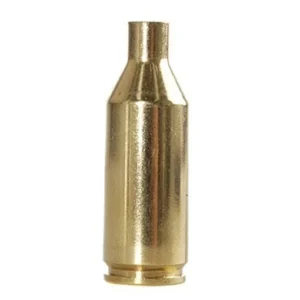
Winchester Brass 223 Winchester Super Short Magnum (WSSM) Bag of 50
Winchester Reloading Brass is manufactured to extremely tight tolerances to ensure smooth feeding and positive chambering. Consistent case-to-case weight and capacity delivers outstanding accuracy. Winchester’s high quality, durable brass can be reloaded several times. New, unprimed brass. This is not loaded ammunition.
Brass Preparation:With bulk rifle brass you may sometimes notice a few case mouths are “out of round” or slightly dented below the shoulder. These imperfections occur in the final tumbling wash operation after the case mouth has been annealed. Brass manufacturers are aware of the case cosmetics and have worked to mitigate it, but due to equipment design, denting may still occur. Minor dents are normally removed in the first firing and will not affect case life or performance. On non-plated brass, you may also notice all the anneal stain might not be polished off, which may give the case neck a pinkish color. With some smaller caliber cases you may notice the case mouths to be slightly belled.
With all new rifle brass, you should first straighten out the case and case mouth, then chamfer and debur the case mouth inside and out. To straighten the case mouth, run the case part way into the sizer die and let the expander ball straighten the brass. To prevent the case neck from stretching, be sure to lubricate the case neck inside the case mouth.
If you are using Nickel plated brass, special care must be taken to lubricate the cases prior to sizing them. Nickel plating is harder than brass and the cases require more effort in sizing. In the event a case becomes stuck, purchase a stuck case remover; don’t use pliers, screwdrivers or other common household tools which could damage your sizing die.
CAD $75.60 -
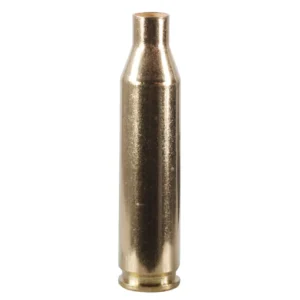
Winchester Brass 243 Winchester
Winchester Reloading Brass is manufactured to extremely tight tolerances to ensure smooth feeding and positive chambering. Consistent case-to-case weight and capacity delivers outstanding accuracy. Winchester’s high quality, durable brass can be reloaded several times. New, unprimed brass. This is not loaded ammunition.
Brass Preparation:With bulk rifle brass you may sometimes notice a few case mouths are “out of round” or slightly dented below the shoulder. These imperfections occur in the final tumbling wash operation after the case mouth has been annealed. Brass manufacturers are aware of the case cosmetics and have worked to mitigate it, but due to equipment design, denting may still occur. Minor dents are normally removed in the first firing and will not affect case life or performance. On non-plated brass, you may also notice all the anneal stain might not be polished off, which may give the case neck a pinkish color. With some smaller caliber cases you may notice the case mouths to be slightly belled.
With all new rifle brass, you should first straighten out the case and case mouth, then chamfer and debur the case mouth inside and out. To straighten the case mouth, run the case part way into the sizer die and let the expander ball straighten the brass. To prevent the case neck from stretching, be sure to lubricate the case neck inside the case mouth.
If you are using Nickel plated brass, special care must be taken to lubricate the cases prior to sizing them. Nickel plating is harder than brass and the cases require more effort in sizing. In the event a case becomes stuck, purchase a stuck case remover; don’t use pliers, screwdrivers or other common household tools which could damage your sizing die.
CAD $56.70 -
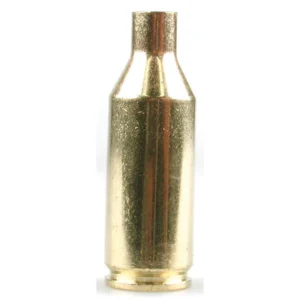
Winchester Brass 243 Winchester Super Short Magnum (WSSM) Bag of 50
Winchester Reloading Brass is manufactured to extremely tight tolerances to ensure smooth feeding and positive chambering. Consistent case-to-case weight and capacity delivers outstanding accuracy. Winchester’s high quality, durable brass can be reloaded several times. New, unprimed brass. This is not loaded ammunition.
Brass Preparation:With bulk rifle brass you may sometimes notice a few case mouths are “out of round” or slightly dented below the shoulder. These imperfections occur in the final tumbling wash operation after the case mouth has been annealed. Brass manufacturers are aware of the case cosmetics and have worked to mitigate it, but due to equipment design, denting may still occur. Minor dents are normally removed in the first firing and will not affect case life or performance. On non-plated brass, you may also notice all the anneal stain might not be polished off, which may give the case neck a pinkish color. With some smaller caliber cases you may notice the case mouths to be slightly belled.
With all new rifle brass, you should first straighten out the case and case mouth, then chamfer and debur the case mouth inside and out. To straighten the case mouth, run the case part way into the sizer die and let the expander ball straighten the brass. To prevent the case neck from stretching, be sure to lubricate the case neck inside the case mouth.
If you are using Nickel plated brass, special care must be taken to lubricate the cases prior to sizing them. Nickel plating is harder than brass and the cases require more effort in sizing. In the event a case becomes stuck, purchase a stuck case remover; don’t use pliers, screwdrivers or other common household tools which could damage your sizing die.
CAD $75.60 -
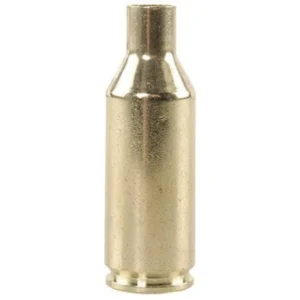
Winchester Brass 25 Winchester Super Short Magnum (WSSM) Bag of 50
Winchester Reloading Brass is manufactured to extremely tight tolerances to ensure smooth feeding and positive chambering. Consistent case-to-case weight and capacity delivers outstanding accuracy. Winchester’s high quality, durable brass can be reloaded several times. New, unprimed brass. This is not loaded ammunition.
Brass Preparation:With bulk rifle brass you may sometimes notice a few case mouths are “out of round” or slightly dented below the shoulder. These imperfections occur in the final tumbling wash operation after the case mouth has been annealed. Brass manufacturers are aware of the case cosmetics and have worked to mitigate it, but due to equipment design, denting may still occur. Minor dents are normally removed in the first firing and will not affect case life or performance. On non-plated brass, you may also notice all the anneal stain might not be polished off, which may give the case neck a pinkish color. With some smaller caliber cases you may notice the case mouths to be slightly belled.
With all new rifle brass, you should first straighten out the case and case mouth, then chamfer and debur the case mouth inside and out. To straighten the case mouth, run the case part way into the sizer die and let the expander ball straighten the brass. To prevent the case neck from stretching, be sure to lubricate the case neck inside the case mouth.
If you are using Nickel plated brass, special care must be taken to lubricate the cases prior to sizing them. Nickel plating is harder than brass and the cases require more effort in sizing. In the event a case becomes stuck, purchase a stuck case remover; don’t use pliers, screwdrivers or other common household tools which could damage your sizing die.
CAD $79.65 -
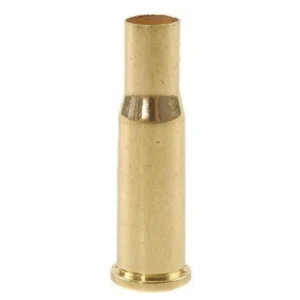
Winchester Brass 25-20 WCF Bag of 50
Winchester Reloading Brass is manufactured to extremely tight tolerances to ensure smooth feeding and positive chambering. Consistent case-to-case weight and capacity delivers outstanding accuracy. Winchester’s high quality, durable brass can be reloaded several times. New, unprimed brass. This is not loaded ammunition.
Brass Preparation:With bulk rifle brass you may sometimes notice a few case mouths are “out of round” or slightly dented below the shoulder. These imperfections occur in the final tumbling wash operation after the case mouth has been annealed. Brass manufacturers are aware of the case cosmetics and have worked to mitigate it, but due to equipment design, denting may still occur. Minor dents are normally removed in the first firing and will not affect case life or performance. On non-plated brass, you may also notice all the anneal stain might not be polished off, which may give the case neck a pinkish color. With some smaller caliber cases you may notice the case mouths to be slightly belled.
With all new rifle brass, you should first straighten out the case and case mouth, then chamfer and debur the case mouth inside and out. To straighten the case mouth, run the case part way into the sizer die and let the expander ball straighten the brass. To prevent the case neck from stretching, be sure to lubricate the case neck inside the case mouth.
If you are using Nickel plated brass, special care must be taken to lubricate the cases prior to sizing them. Nickel plating is harder than brass and the cases require more effort in sizing. In the event a case becomes stuck, purchase a stuck case remover; don’t use pliers, screwdrivers or other common household tools which could damage your sizing die.
CAD $28.35 -
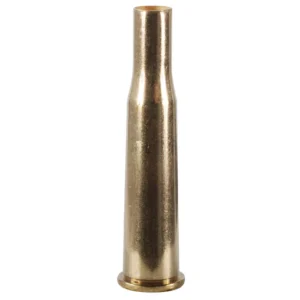
Winchester Brass 25-35 WCF Bag of 50
Winchester makes the highest quality brass available, and each and every piece is made to meet and exceed the most demanding quality control and performance standards in the industry. New, unprimed brass. This is not loaded ammunition.
Preparation:
- Due to the manufacturing process and/or shipping, case mouths may not be perfectly round. To ensure a round case mouth, cases must be sized (or have the expander ball of the sizing die run through case neck) and deburred/Chamfered prior to loading.
Note:
- A light “staining” may be found on the case neck of new brass. This is due to annealing. Annealing is a process, performed by the manufacturer, which involves rapid heating to a specified temperature followed by rapid cooling. This process imparts cases with the proper hardness to securely hold a bullet as well as gives flexibility to expand and contract upon firing and repeated forming. The “staining” is a residue from this process. This stain may be removed by tumbling before loading. Brass should be full-length sized, trimmed and chamfered before loading.
CAD $47.25 - Due to the manufacturing process and/or shipping, case mouths may not be perfectly round. To ensure a round case mouth, cases must be sized (or have the expander ball of the sizing die run through case neck) and deburred/Chamfered prior to loading.
-
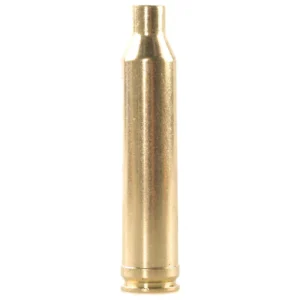
Winchester Brass 264 Winchester Magnum Bag of 50
Winchester Reloading Brass is manufactured to extremely tight tolerances to ensure smooth feeding and positive chambering. Consistent case-to-case weight and capacity delivers outstanding accuracy. Winchester’s high quality, durable brass can be reloaded several times. New, unprimed brass. This is not loaded ammunition.
Brass Preparation:With bulk rifle brass you may sometimes notice a few case mouths are “out of round” or slightly dented below the shoulder. These imperfections occur in the final tumbling wash operation after the case mouth has been annealed. Brass manufacturers are aware of the case cosmetics and have worked to mitigate it, but due to equipment design, denting may still occur. Minor dents are normally removed in the first firing and will not affect case life or performance. On non-plated brass, you may also notice all the anneal stain might not be polished off, which may give the case neck a pinkish color. With some smaller caliber cases you may notice the case mouths to be slightly belled.
With all new rifle brass, you should first straighten out the case and case mouth, then chamfer and debur the case mouth inside and out. To straighten the case mouth, run the case part way into the sizer die and let the expander ball straighten the brass. To prevent the case neck from stretching, be sure to lubricate the case neck inside the case mouth.
If you are using Nickel plated brass, special care must be taken to lubricate the cases prior to sizing them. Nickel plating is harder than brass and the cases require more effort in sizing. In the event a case becomes stuck, purchase a stuck case remover; don’t use pliers, screwdrivers or other common household tools which could damage your sizing die.
CAD $75.60 -
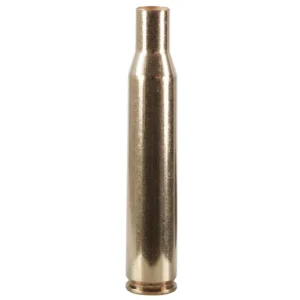
Winchester Brass 270 Winchester
Winchester Reloading Brass is manufactured to extremely tight tolerances to ensure smooth feeding and positive chambering. Consistent case-to-case weight and capacity delivers outstanding accuracy. Winchester’s high quality, durable brass can be reloaded several times. New, unprimed brass. This is not loaded ammunition.
Brass Preparation:With bulk rifle brass you may sometimes notice a few case mouths are “out of round” or slightly dented below the shoulder. These imperfections occur in the final tumbling wash operation after the case mouth has been annealed. Brass manufacturers are aware of the case cosmetics and have worked to mitigate it, but due to equipment design, denting may still occur. Minor dents are normally removed in the first firing and will not affect case life or performance. On non-plated brass, you may also notice all the anneal stain might not be polished off, which may give the case neck a pinkish color. With some smaller caliber cases you may notice the case mouths to be slightly belled.
With all new rifle brass, you should first straighten out the case and case mouth, then chamfer and debur the case mouth inside and out. To straighten the case mouth, run the case part way into the sizer die and let the expander ball straighten the brass. To prevent the case neck from stretching, be sure to lubricate the case neck inside the case mouth.
If you are using Nickel plated brass, special care must be taken to lubricate the cases prior to sizing them. Nickel plating is harder than brass and the cases require more effort in sizing. In the event a case becomes stuck, purchase a stuck case remover; don’t use pliers, screwdrivers or other common household tools which could damage your sizing die.
CAD $43.20 -
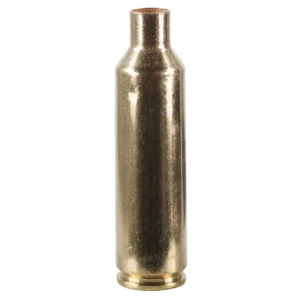
Winchester Brass 270 Winchester Short Magnum (WSM) Bag of 50
Winchester Reloading Brass is manufactured to extremely tight tolerances to ensure smooth feeding and positive chambering. Consistent case-to-case weight and capacity delivers outstanding accuracy. Winchester’s high quality, durable brass can be reloaded several times. New, unprimed brass. This is not loaded ammunition.
Brass Preparation:With bulk rifle brass you may sometimes notice a few case mouths are “out of round” or slightly dented below the shoulder. These imperfections occur in the final tumbling wash operation after the case mouth has been annealed. Brass manufacturers are aware of the case cosmetics and have worked to mitigate it, but due to equipment design, denting may still occur. Minor dents are normally removed in the first firing and will not affect case life or performance. On non-plated brass, you may also notice all the anneal stain might not be polished off, which may give the case neck a pinkish color. With some smaller caliber cases you may notice the case mouths to be slightly belled.
With all new rifle brass, you should first straighten out the case and case mouth, then chamfer and debur the case mouth inside and out. To straighten the case mouth, run the case part way into the sizer die and let the expander ball straighten the brass. To prevent the case neck from stretching, be sure to lubricate the case neck inside the case mouth.
If you are using Nickel plated brass, special care must be taken to lubricate the cases prior to sizing them. Nickel plating is harder than brass and the cases require more effort in sizing. In the event a case becomes stuck, purchase a stuck case remover; don’t use pliers, screwdrivers or other common household tools which could damage your sizing die.
CAD $79.65 -
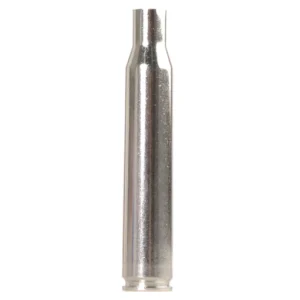
Winchester Brass 280 Remington Nickel Plated Bag of 50
Winchester Reloading Brass is manufactured to extremely tight tolerances to ensure smooth feeding and positive chambering. Consistent case-to-case weight and capacity delivers outstanding accuracy. Winchester’s high quality, durable brass can be reloaded several times. New, unprimed brass. This is not loaded ammunition.
Brass Preparation:With bulk rifle brass you may sometimes notice a few case mouths are “out of round” or slightly dented below the shoulder. These imperfections occur in the final tumbling wash operation after the case mouth has been annealed. Brass manufacturers are aware of the case cosmetics and have worked to mitigate it, but due to equipment design, denting may still occur. Minor dents are normally removed in the first firing and will not affect case life or performance. On non-plated brass, you may also notice all the anneal stain might not be polished off, which may give the case neck a pinkish color. With some smaller caliber cases you may notice the case mouths to be slightly belled.
With all new rifle brass, you should first straighten out the case and case mouth, then chamfer and debur the case mouth inside and out. To straighten the case mouth, run the case part way into the sizer die and let the expander ball straighten the brass. To prevent the case neck from stretching, be sure to lubricate the case neck inside the case mouth.
If you are using Nickel plated brass, special care must be taken to lubricate the cases prior to sizing them. Nickel plating is harder than brass and the cases require more effort in sizing. In the event a case becomes stuck, purchase a stuck case remover; don’t use pliers, screwdrivers or other common household tools which could damage your sizing die.
CAD $66.15